
Guest
Not logged in
The issue of unused and about-to-expire drugs poses a significant threat to both the planet and its inhabitants. As the pharmaceutical industry continues to grow, so does the environmental impact caused by the disposal of these medications. In this article, we will explore the dangers associated with unused and about-to-expire drugs, highlighting the need for responsible management to protect our planet and safeguard the well-being of all living beings.
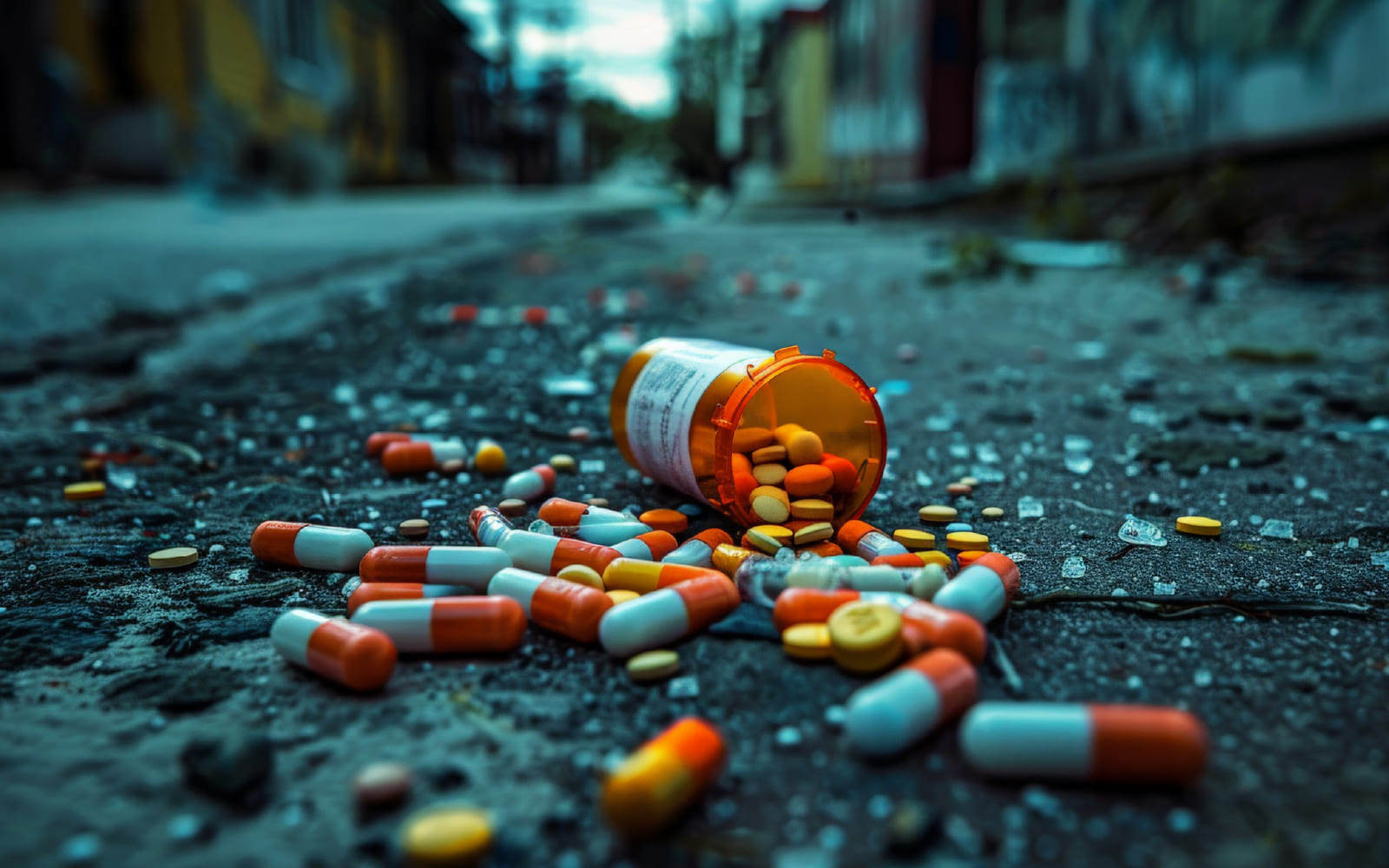
The issue of unused and about-to-expire drugs poses a significant threat to both the planet and its inhabitants. As the pharmaceutical industry continues to grow, so does the environmental impact caused by the disposal of these medications. In this article, we will explore the dangers associated with unused and about-to-expire drugs, highlighting the need for responsible management to protect our planet and safeguard the well-being of all living beings.
Unused drugs can impact various aspects of our society and environment. Here are some key areas where the impact of unused drugs can be observed:-
Environmental Pollution:
Improper disposal of unused and about-to-expire drugs can lead to environmental pollution. When these medications are discarded in regular trash or flushed down the toilet, they can enter water bodies and soil, potentially contaminating ecosystems. The presence of pharmaceutical residues in water sources can have adverse effects on aquatic organisms and disrupt delicate ecological balances.
Water Contamination:
Pharmaceutical compounds from unused and about-to-expire drugs can find their way into water sources through various means, including improper disposal and wastewater treatment processes. These compounds can be difficult to remove through conventional water treatment methods, resulting in the contamination of drinking water supplies. Prolonged exposure to such contaminated water can have detrimental effects on human health and wildlife.
Antibiotic Resistance:
Improper disposal of antibiotics and other medications contributes to the growing problem of antibiotic resistance. When these drugs enter the environment, they can interact with bacteria and promote the development of resistant strains. This poses a serious threat to public health, as common infections become more challenging to treat, leading to increased morbidity and mortality rates.
Wildlife Impact:
The ingestion of unused and about-to-expire drugs by wildlife can have severe consequences. Animals may consume these medications directly or indirectly through contaminated food or water sources. The presence of pharmaceutical substances in their systems can lead to negative physiological effects, reproductive issues, and disruptions in natural behaviours, ultimately threatening their survival and biodiversity.
Human Health Risks:
Improper use of unused and about-to-expire drugs, such as self-medication or sharing medication with others, can pose risks to human health. Expired medications may lose their effectiveness or undergo chemical changes that make them potentially harmful. Ingesting such drugs can result in adverse reactions, medication interactions, or inadequate treatment, further endangering individuals' well-being.
What activities can we perform To save our environment from the negative impact of unused drugs?
To save our environment from the negative impact of unused drugs, we can engage in various activities that promote responsible medication management and disposal. Here are some key actions individuals and communities can take:
Education and Awareness - Raise awareness about the proper disposal of unused drugs through educational campaigns, community outreach programs, and public health initiatives.
Medication Reviews - Regularly review and assess your medication inventory to identify and remove any unused or expired drugs.
Proper Disposal - Follow recommended disposal methods for unused medications. Check local guidelines for safe disposal.
Secure Medication Storage - Keep medications in a secure and controlled environment to prevent unauthorised access.
Encourage Drug Take-Back Programs - Advocate for and participate in drug take-back programs in your community.
Proper Medication Use - Follow prescribed dosages and complete the full course of medication as directed by healthcare professionals.
Support Policy and Legislation - Support and promote policies and legislation that address the proper disposal of unused drugs.
Research and Innovation - Support research and development efforts to find environmentally friendly alternatives in medication packaging and disposal methods.
By actively engaging in these activities, we can contribute to saving our environment from the negative impact of unused drugs. Every individual and community has a role to play in promoting responsible medication management and protecting the health of our planet for future generations.
Conclusion:
The threat posed by unused and about-to-expire drugs to the planet and its inhabitants cannot be overlooked. Environmental pollution, water contamination, antibiotic resistance, wildlife impact, and human health risks are all significant concerns that require immediate attention. To address this issue, responsible management practices should be implemented, including proper disposal methods, medication take-back programs, and increased awareness about the potential consequences of improper drug disposal. By taking collective action, we can minimise the threat of unused and about-to-expire drugs, protect our planet, and safeguard the health and well-being of both current and future generations.