
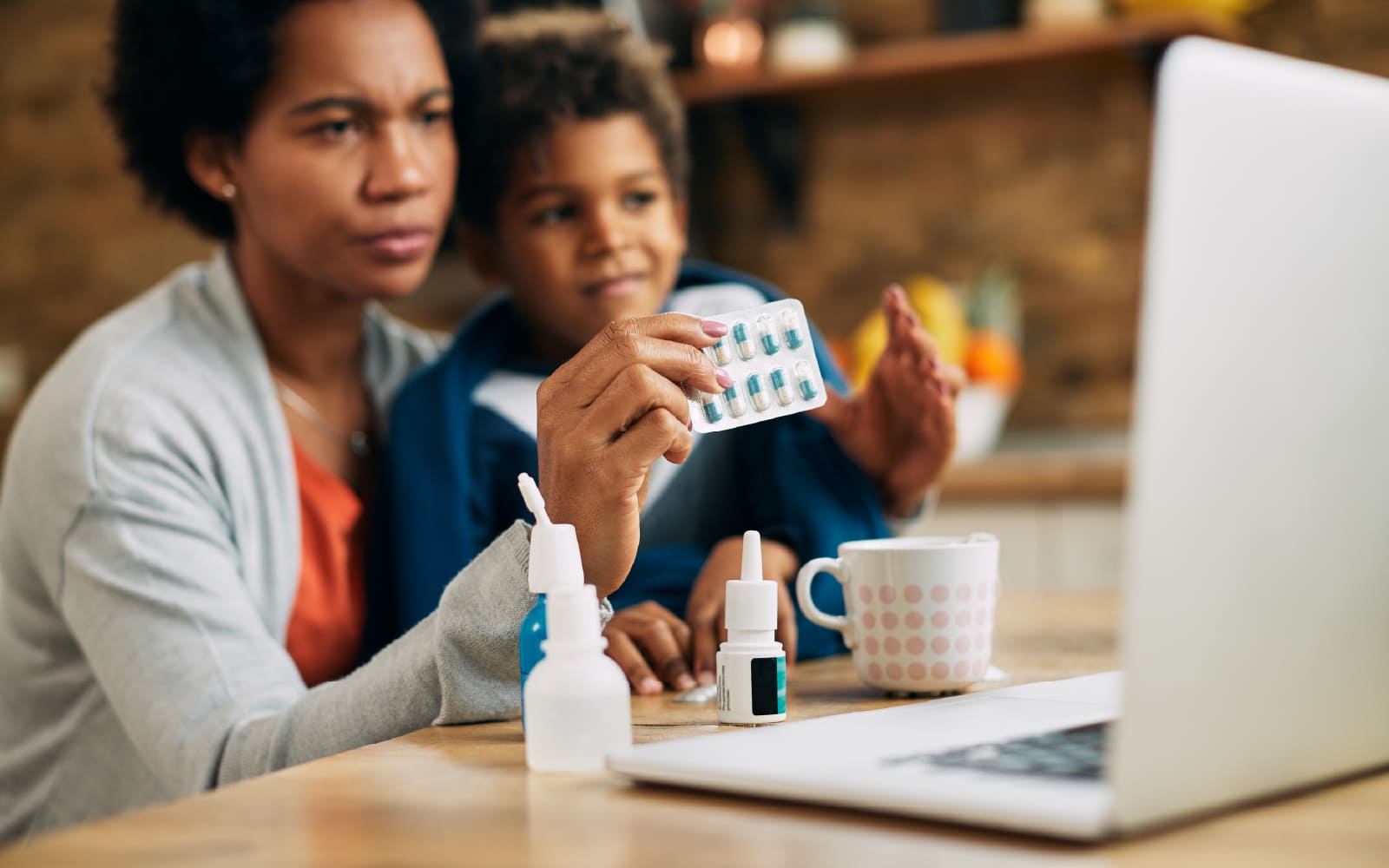
When it comes to children's health, ensuring their safety is of utmost importance. One aspect that requires careful attention is the use of expired medicines. While expired medicines can pose risks to individuals of any age, children are particularly vulnerable due to their developing bodies and unique health considerations. This article explores the dangers associated with giving expired medicines to children and highlights the importance of prioritising safety in their healthcare.
-
Decreased Effectiveness:
Expired medicines may lose their potency and effectiveness over time. For children, whose bodies may require precise dosing and accurate treatment, using expired medications can result in reduced therapeutic benefits. This could lead to inadequate relief from symptoms or a delay in addressing the underlying health issue.
-
Altered Chemical Composition:
Expired medicines can undergo chemical changes, which may result in the formation of harmful byproducts. Children, with their developing organs and systems, are more susceptible to adverse reactions caused by these altered compounds. Ingesting expired medications with changed chemical compositions can potentially lead to unexpected side effects or allergic reactions.
-
Potential Health Risks:
Expired medicines can pose significant health risks to children. The degradation of active ingredients or the formation of toxic substances can be particularly harmful to their young and delicate bodies. Ingesting expired medications may result in adverse events, organ damage, or other severe health complications. Children may also be less able to communicate discomfort or adverse reactions, making it crucial to prioritise their safety.
-
Incorrect Dosing:
Expired medications may lead to incorrect dosing for children. Over time, the strength and concentration of the active ingredients in expired drugs may diminish, making it challenging to accurately administer the appropriate dosage for a child's specific weight and condition. Inadequate dosing can result in ineffective treatment or, in some cases, overdosing, which can have severe consequences for a child's health.
-
Risk of Microbial Contamination:
Expired medications can become contaminated with bacteria, fungi, or other harmful microorganisms. Children, with their still-developing immune systems, are more susceptible to infections caused by these contaminants. Ingesting contaminated medicines can lead to illness, exacerbation of existing conditions, or the development of new health issues.
-
Allergic Reactions:
Expired medicines may trigger allergic reactions in children. Over time, the chemical composition of medications can change, potentially causing the body to react negatively. Allergic reactions can range from mild discomfort to severe symptoms that require immediate medical attention.
What to do after consuming expired medications?
If a child ingests expired medicines, it can pose potential risks to their health and well-being. Expired medicines may have reduced effectiveness, meaning they may not provide the desired therapeutic benefits. The altered chemical composition of expired medicines can lead to adverse reactions or unexpected side effects in children, whose developing bodies may be more sensitive to such changes. There is also a risk of contamination, as expired medicines may harbour harmful bacteria or fungi, which can cause infections or other complications in children, especially those with weaker immune systems. Incorrect dosing can occur due to inconsistent potency, potentially leading to under or overdosing, both of which can have detrimental effects. Allergic reactions are another concern, as expired medicines may trigger allergic responses in children. Overall, the intake of expired medicines can result in inadequate treatment, delayed recovery, and potential harm to a child's health. It is crucial to ensure the safety of children by following proper medication storage, adhering to expiration dates, and seeking immediate medical attention if a child has ingested expired medicines.
Conclusion:
The safety and well-being of children are paramount when it comes to healthcare decisions. Using expired medicines for children can be risky and potentially harmful. Reduced effectiveness, altered chemical composition, the risk of contamination, incorrect dosing, allergic reactions, and inadequate treatment are significant concerns associated with expired medicines. To ensure children's safety, it is crucial to follow proper medication storage practices, adhere to expiration dates, and dispose of expired medications appropriately. Consulting healthcare professionals, such as paediatricians or pharmacists, can provide guidance on suitable alternatives and safe medication administration for children. By being proactive and vigilant, parents and caregivers can protect their children from the potential dangers of expired medicines and ensure their health and well-being.

