
The responsible management of unused pharmaceuticals is crucial to minimise their environmental impact. Improper disposal can lead to water contamination, soil pollution, and adverse effects on ecosystems. By adopting proactive measures, individuals and healthcare systems can significantly reduce the environmental footprint associated with unused medications. In this article, we will explore a comprehensive approach to minimise the environmental impact caused by unused pharmaceuticals.
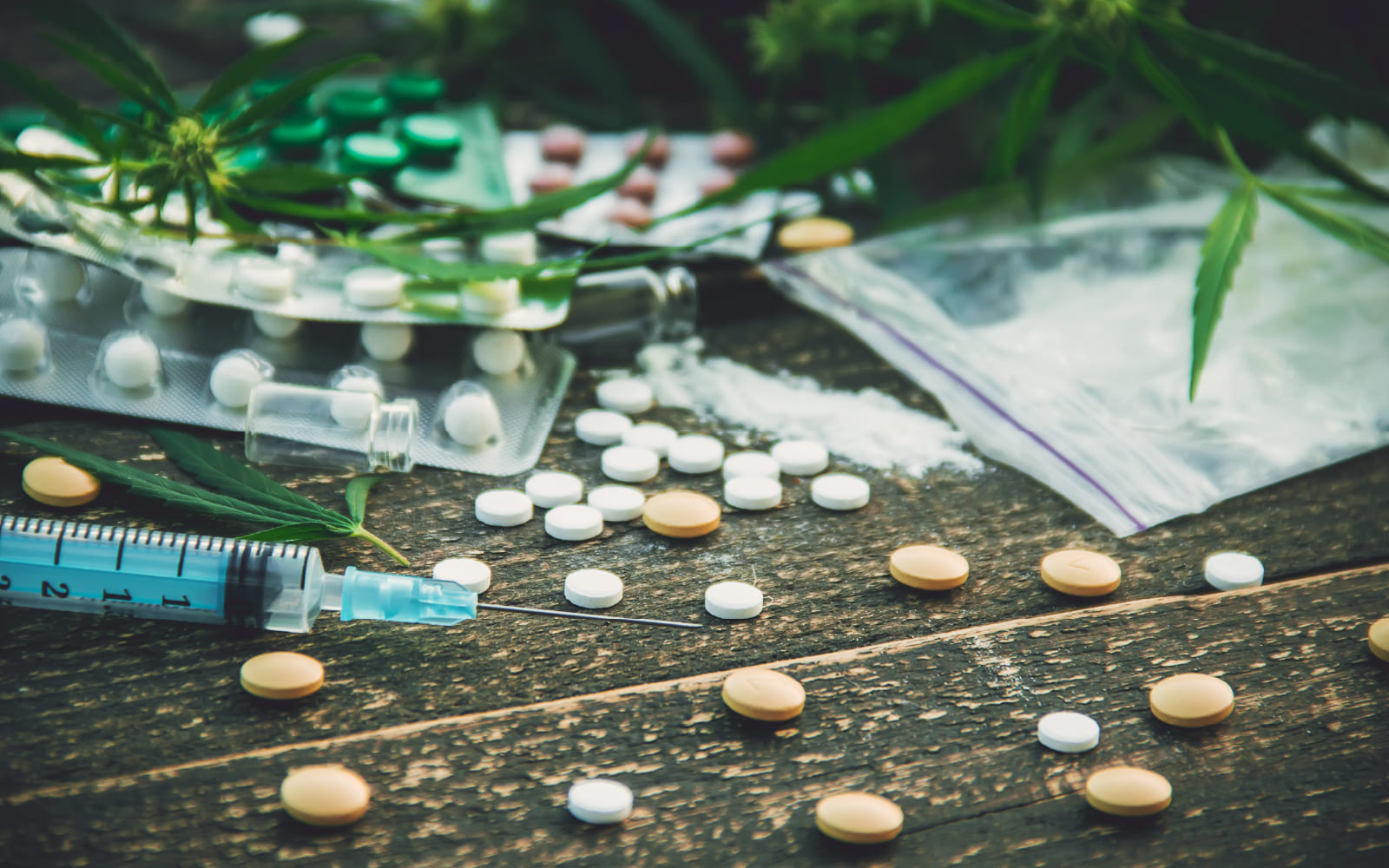
The responsible management of unused pharmaceuticals is crucial to minimise their environmental impact. Improper disposal can lead to water contamination, soil pollution, and adverse effects on ecosystems. By adopting proactive measures, individuals and healthcare systems can significantly reduce the environmental footprint associated with unused medications. In this article, we will explore a comprehensive approach to minimise the environmental impact caused by unused pharmaceuticals.
Responsible Medication Purchasing and Usage:-
One effective way to minimise the environmental impact of unused pharmaceuticals is through responsible medication purchasing and usage. Consider the following practices:
a. Avoid stockpiling: Purchase medications in quantities that align with immediate needs to reduce the risk of expiration and waste.
b. Consult healthcare professionals: Seek guidance from healthcare professionals to ensure accurate medication dosage and duration, minimising the likelihood of excess medications.
Proper Medication Storage:-
Proper storage of medications is essential for maintaining their efficacy and preventing premature degradation. Follow these guidelines:
a. Follow storage instructions: Store medications according to their specific requirements, such as temperature and humidity, to ensure their effectiveness.
b. Secure storage: Keep medications out of reach of children and pets to prevent accidental ingestion and minimise the need for disposal due to safety concerns.
Medication Donation and Redistribution:-
Medication donation and redistribution programs provide an excellent opportunity to minimise waste and benefit others. Consider the following steps:
a. Explore donation programs: Research local donation programs or pharmacies that accept unused medications for redistribution to individuals in need.
b. Comply with donation guidelines: Ensure that donated medications meet the criteria set by donation programs, including proper packaging and expiration dates within acceptable limits.
Pharmacist Guidance for Disposal:-
Pharmacists play a vital role in providing guidance on the safe and environmentally responsible disposal of unused medications. Consider the following:
a. Seek professional advice: Consult pharmacists regarding the proper disposal methods for specific medications.
b. Follow disposal guidelines: Adhere to local regulations and guidelines provided by authorities to ensure the safe and environmentally friendly disposal of medications.
Medication Take-Back Programs:-
Medication take-back programs provide designated drop-off locations for the proper disposal of unused medications. Follow these steps:
a. Utilise take-back programs: Take advantage of community or pharmacy-led take-back programs to dispose of unused medications safely.
b. Follow program instructions: Adhere to the guidelines provided by take-back programs to ensure proper disposal methods are followed.
Environmental Education and Awareness:-
Promoting environmental education and awareness is vital in minimising the environmental impact of unused pharmaceuticals. Consider the following initiatives:
a. Increase public awareness: Conduct campaigns, workshops, and educational programs to raise awareness about the environmental impact of unused pharmaceuticals.
b. Share best practices: Encourage individuals to share responsible medication disposal practices with their friends, family, and community to create a ripple effect of positive change.
Minimising the environmental impact of unused pharmaceuticals requires a comprehensive approach that encompasses responsible purchasing, proper storage, medication donation and redistribution, pharmacist guidance for disposal, utilisation of take-back programs, and environmental education. By implementing these practices, individuals and healthcare systems can make a significant difference in reducing the environmental footprint associated with unused medications. Let us strive to minimise waste, prevent water and soil contamination, and protect ecosystems by adopting responsible medication management practices. Together, we can contribute to a cleaner and healthier planet for present and future generations.